
Nghiên cứu sự sinh khí metan từ hệ thống UASB xử lý nước thải tại Công ty Cổ phần Mía đường Hòa Bình
Từ khóa:
metan, mía đường, nước thải, UASBTóm tắt
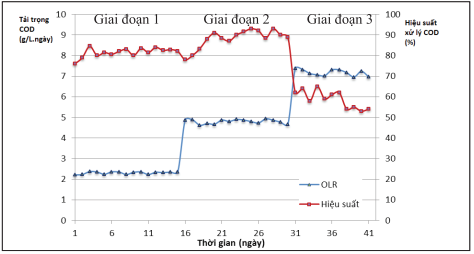
Nước thải ngành công nghiệp mía đường chứa một lượng lớn các chất hữu cơ, trong đó có các hợp chất chứa nitơ và phốt pho. Đây là nguồn gây ô nhiễm nghiêm trọng cho nguồn tiếp nhận và ảnh hưởng bất lợi đến đời sống thủy sinh vật. Trong các công nghệ xử lý nước thải sản xuất mía đường, công nghệ yếm khí ngược dòng qua lớp đệm bùn (UASB) được áp dụng phổ biến do các ưu điểm như khả năng làm việc với tải trọng chất ô nhiễm hữu cơ cao và tiềm năng thu hồi năng lượng (khí metan) lớn. Trong nghiên cứu này, nhóm tác giả đã tiến hành phân tích, đánh giá các dòng thải của Công ty Cổ phần Mía đường Hòa Bình (HOASUCO) nhằm xem xét khả năng thu khí metan theo phương án xử lý nước thải sản xuất mía đường bằng hệ thống UASB. Kết quả cho thấy, dòng nước thải chung với lưu lượng 2000-2200 m3/ngày có tính axit (pH 6,22), TSS và COD đều vượt hơn 6 lần QCVN 40: 2011/BTNMT (cột B) đối với nước thải công nghiệp; các dòng thải rửa thiết bị và từ hệ thống xử lý hấp thụ khí thải có mức ô nhiễm cao, COD tương ứng là 2200 và 2565 mg/l, lưu lượng 910 và 220 m3/ngày. Hiệu quả xử lý đạt cao nhất (89,9%) với tải trọng 4,8 g COD/l/ngày và thời gian lưu thủy lực (HTR) 12 h. Mức sinh khí biogas trung bình cao nhất đạt 0,36 l/g COD với tải trọng 4,8 g COD/l/ngày, hàm lượng metan trong khí biogas trung bình đạt 60,7%.
Chỉ số phân loại
2.7
Tải xuống
Đã xuất bản
Ngày nhận bài: 16/01/2015; ngày chuyển phản biện: 25/02/2015; ngày nhận phản biện: 30/03/2015; ngày chấp nhận đăng: 02/04/2015


