
Transformation of maize (Zea mays L.) using mannitol 1-phosphate dehydrogenase (mtlD) genes
Keywords:
Agrobacterium, maize, mtlD gene, transformationAbstract
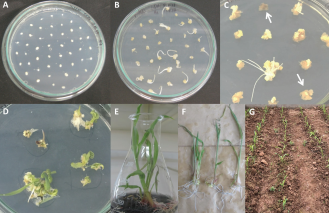
The bacterial mtlD gene which encodes mannitol 1-phosphate dehydrogenase has been characterized and transferred into several crops. Transgenic plants exhibited the good development and drought or salinity tolerances as increased mannitol accumulation. With the aim of producing transgenic maize, the authors conducted this study which transferred mtlD into maize embryos via Agrobacterium tumefaciens. The rate of callus regeneration in two independent transformation experiments were 17.70 and 13.24%, respectively. Meanwhile, the average frequency of root formation was about 56%. The regenerated plantlets were transferred to the field and 44 T0 maize plants survived and reached the reproducing stage. The authors used a PCR assay with the specific primers to determine the presence of the target gene in T0 plants and obtained 8 mtlD-positive plants, accounting for 18.18% of total survival plants.
Classification number
4.6
Downloads
Published
Received: 20 June 2018; accepted: 16 August 2018



