
Xây dựng quy trình phát hiện đồng thời Plasmodium falciparum và Plasmodium vivax dựa trên kỹ thuật recombinase polymerase amplificatio
Từ khóa:
chẩn đoán phân tử, nhân bản đẳng nhiệt, Plasmodium, recombinase polymerase amplification, sốt rétTóm tắt
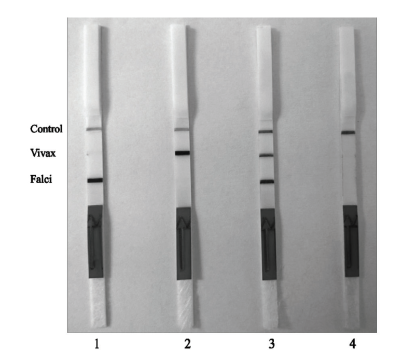
Sốt rét là bệnh nhiễm trùng gây ra bởi các loài ký sinh thuộc chi Plasmodium. Ở Việt Nam, bệnh sốt rét chủ yếu do Plasmodium falciparum và Plasmodium vivax gây ra thông qua trung gian truyền bệnh là muỗi Anopheles. Bệnh sốt rét chủ yếu lưu hành tại vùng rừng, đồi núi, ven biển nước lợ ở Việt Nam, nơi mà các phương pháp chẩn đoán bệnh sốt rét khó được tiếp cận. Trong lúc vaccine cho sốt rét chưa được ứng dụng rộng rãi trong thực tế lâm sàng thì việc điều trị bệnh sốt rét phụ thuộc chủ yếu vào các thuốc chống sốt rét, đặc biệt khi bệnh được chẩn đoán ở giai đoạn sớm. Trong nghiên cứu này, kỹ thuật recombinase polymerase amplification (RPA) được áp dụng nhằm phát triển quy trình xét nghiệm phát hiện đồng thời hai tác nhân chính gây bệnh sốt rét là P. falciparum và P. vivax. Kết quả nghiên cứu cho thấy: đã thiết kế thành công các cặp mồi đặc hiệu để nhân bản ADN của P. falciparum và P. vivax trong phản ứng duplex RPA. Tiếp đến, các thông số của phản ứng duplex RPA như nhiệt độ phản ứng và thể tích phản ứng được tối ưu hoá nhằm giảm chi phí, đạt được hiệu quả tốt. Nghiên cứu cũng xây dựng phản ứng lai dựa trên kỹ thuật lateral flow strip với các mẫu dò đặc hiệu cho P. falciparum và P. vivax nhằm giảm thao tác và thời gian tiến hành cũng như nâng cao độ chính xác trong việc phát hiện sản phẩm RPA từ P. falciparum và P. vivax. Quy trình duplex RPA được ứng dụng để thử nghiệm trên 33 mẫu ADN được tách chiết từ các mẫu bệnh phẩm nghi nhiễm ký sinh trùng sốt rét và so sánh với quy trình monoplex real-time PCR. Kết quả phát hiện P. falciparum và P. vivax của 2 quy trình này là tương đồng. Quy trình phát hiện P. falciparum và P. vivax được xây dựng trong nghiên cứu này có khả năng được phát triển thành bộ kit phát hiện nhanh P. falciparum và P. vivax ứng dụng trong thực tế lâm sàng.
Chỉ số phân loại
3.3
Tải xuống
Đã xuất bản
Ngày nhận bài: 26/10/2018; ngày chuyển phản biện: 29/10/2018; ngày nhận phản biện: 23/11/2018; ngày chấp nhận đăng: 30/11/2018


